Trailer Leasing FAQs: Everything You Need to Know


Understanding Trailer Leasing
Trailer leasing is a versatile solution for businesses needing extra capacity without the commitment of purchasing. This option provides flexibility, cost savings, and scalability, making it an attractive choice for many industries. Whether you need a trailer for a short-term project or to expand your fleet during busy seasons, leasing offers significant benefits.
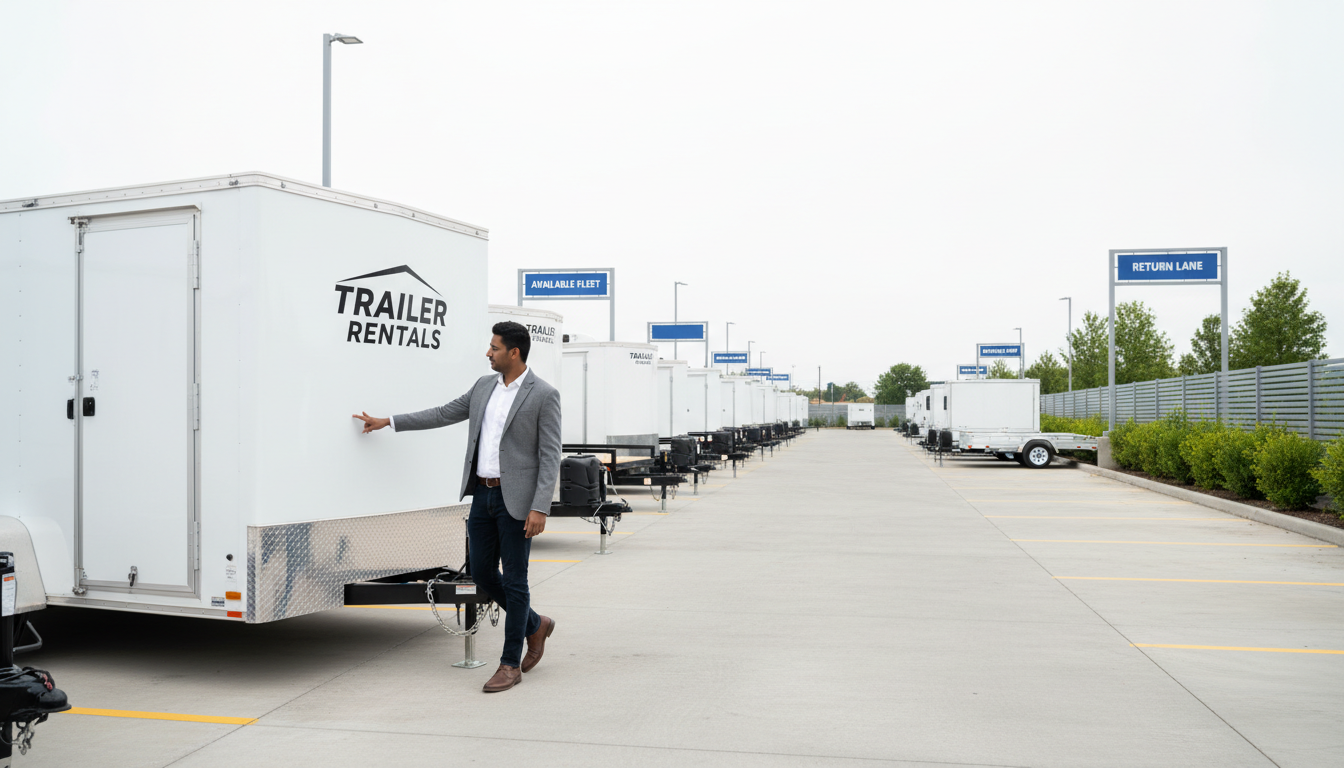
What Types of Trailers Can Be Leased?
From flatbeds to refrigerated units, there is a wide range of trailers available for leasing. Some of the most common types include:
- Dry Vans: Ideal for transporting non-perishable goods.
- Refrigerated Trailers: Perfect for perishable items requiring temperature control.
- Flatbed Trailers: Used for oversized or irregularly shaped loads.
- Tanker Trailers: Suitable for transporting liquids.
Benefits of Leasing Over Buying
Leasing a trailer can be more cost-effective than buying, especially for businesses with fluctuating demands. Here are some reasons why leasing might be a better option:
- Lower Initial Costs: Leasing requires less upfront investment compared to purchasing.
- Flexibility: Easily upgrade or change the type of trailer as your needs evolve.
- Maintenance Included: Many leasing agreements include maintenance, reducing unexpected expenses.
How Does the Leasing Process Work?
The leasing process is straightforward and usually involves selecting a trailer, signing a lease agreement, and picking up the trailer. Here's a step-by-step overview:
- Evaluate Needs: Determine what type and size of trailer will best suit your needs.
- Select a Provider: Research and choose a reputable leasing company.
- Sign Agreement: Review the lease terms, including duration, costs, and responsibilities.
- Pick Up or Arrange Delivery: Once everything is finalized, collect your trailer or arrange for it to be delivered.
Common Questions About Trailer Leasing
Many businesses have questions when considering trailer leasing. Here are some frequently asked questions:
- Can I customize a leased trailer? Some companies allow customization to a certain extent, but it's crucial to check with your provider.
- What if I need to terminate the lease early? Early termination policies vary, so it's important to understand any penalties before signing.
- Are there mileage limits? Some leases include mileage restrictions, while others offer unlimited mileage.
Conclusion
Trailer leasing offers a flexible, cost-effective solution for businesses needing additional transportation capacity. Understanding the different types of trailers available, the benefits of leasing, and the leasing process can help you make an informed decision. Whether you're expanding your fleet or managing seasonal demand, leasing might just be the right choice for your business.